
Impact of long-term depletion on horizontal wellbore stability in tight reservoirs-including changes in petrophysical and geomechanical properties
致密油藏开发依赖水平井,但长期衰竭导致的应力重分布、孔渗劣化和岩石强度变化会显著缩小安全泥浆窗口,甚至丧失井筒稳定性。本文以中东 S 碳酸盐致密油藏为例,首次将“应力-孔渗相关-强度”一体化关系嵌入 CMG-GEM 流动-地质力学耦合模型,模拟水平井 10 年衰竭过程中井周应力、转向与失稳准则的演化。主
CMG 软件应用情况
- 软件:CMG-GEM(2022 版)一体化流动-地质力学模拟器
- 主要做法
– 用“应力-孔渗相关”实验公式(指数衰减系数 3×10⁻⁵)在 GEM 中定义渗透率与孔隙度随有效应力实时更新;
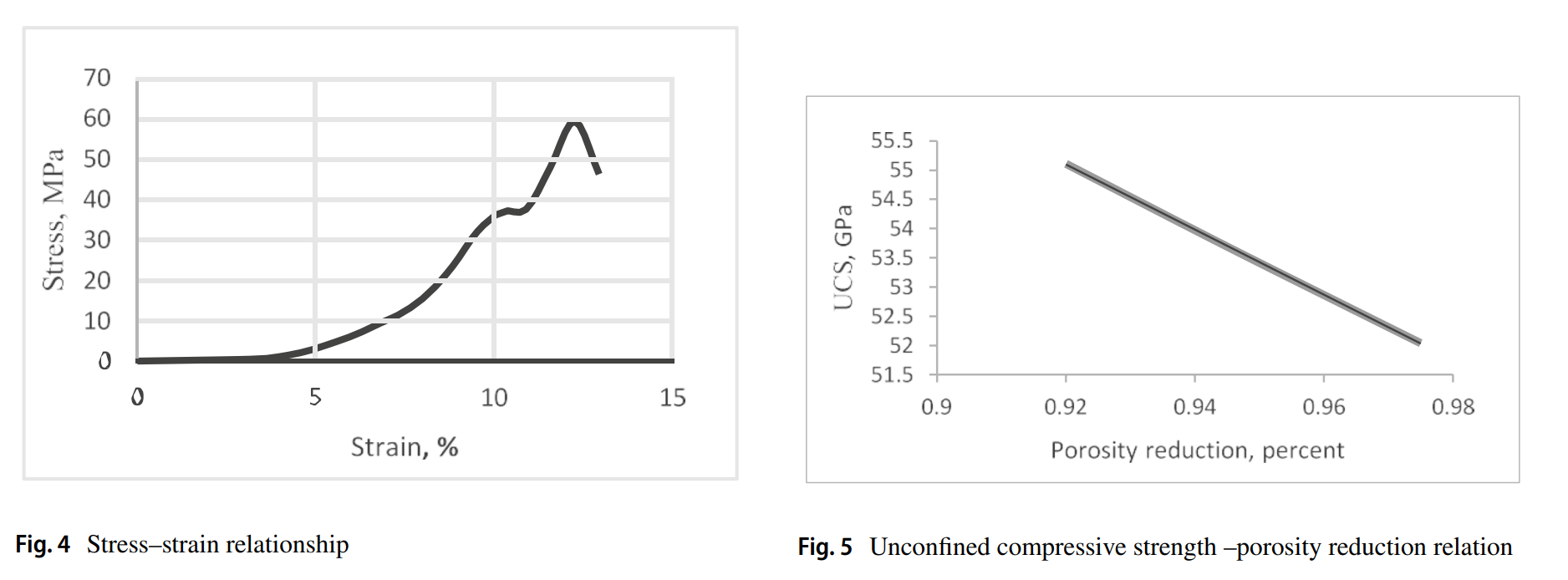
– 嵌入自编 UCS-孔隙度关系式,实现强度参数随衰竭动态调整;
– 采用嵌入式 FEM 井筒单元(25×25 m 局部加密)一次性输出坍塌、破裂、漏失、压裂四项失稳压力曲线;
– 通过 1 年、5 年、10 年三步“快照”对比,量化衰竭-应力-转向-失稳全链条响应。 - 验证结果:历史压力拟合误差 <2%,与现场 FMI、声波扫描应力方向吻合度 >90%,为后续策略制定提供高置信度基准。
主要结论
- 致密油藏衰竭早期(0–5 年)即出现渗透率锐减与高压降,是井筒失稳的“关键窗口”;
- 孔隙度降低带来的 UCS 增幅不足以抵消高压降的破坏效应,安全泥浆窗口持续收窄;
- 10 年衰竭后,高渗层段完全丧失稳定,最大水平应力方向旋转 40°,需重新设计完井与压裂方位;
- 建议采用“早期控压降速+分层精细化泥浆+随钻应力方向监测”一体化技术组合,以延长水平井寿命。
作者单位
- 伊拉克巴格达大学工程学院石油工程系

Abstract
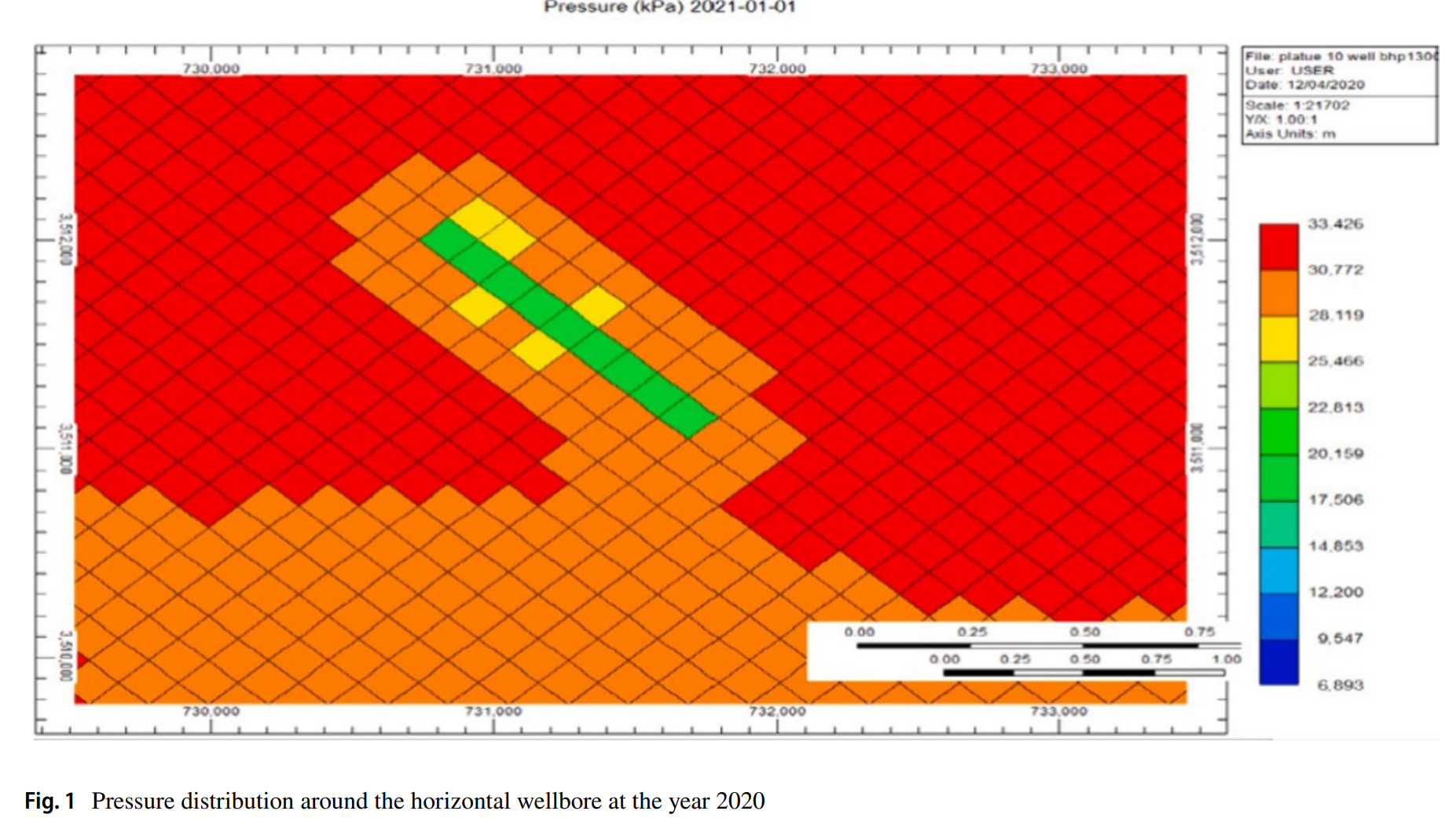
The development of tight reservoirs using a horizontal well requires caution owing to the reservoir sensitivity to stress. Predicting the horizontal wellbore instability during reservoir depletion is critical for tight reservoirs. The present study investigated the wellbore failure criteria and stress orientation changes with reservoir depletion of a horizontal well in a tight reservoir, considering rock sensitivity to stress with pressure reduction. An integrated reservoir model coupled with geomechanics was used to predict pore pressure. A mechanical earth model (MEM) was constructed to examine the stability of horizontal wells. The unconfined compressive strength (UCS) was correlated with changes in porosity due to stress changes. The MEM shows that the failure criteria around the horizontal wellbore, including breakout, loss, and breakdown pressures, change considerably with reservoir depletion. A more significant response was observed in the stress-sensitive layer, which was characterised by a higher permeability. The safe mud weight window of the studied horizontal well narrowed significantly after production for five years, whereas the stability was completely absent after ten years. The deterioration of stability with depletion is governed mainly by permeability reduction, which may cause severe pressure reduction, whereas the stability improvement due to the increase in UCS caused by porosity reduction seems marginal. Relatively small changes in the direction of the stresses around the wellbore with depletion were observed, with the stress distribution concentrated in the predominant direction as the depletion continued. This study indicates that the sensitivity of petrophysical and geomechanical properties to stress amplifies the insta- bility in tight reservoirs, particularly around wellbores.
