
Experimental Research on Surfactant Flooding and Design of Integrated Schemes for Energy Storage Fracturing and Production in Tight Sandstone Reservoirs
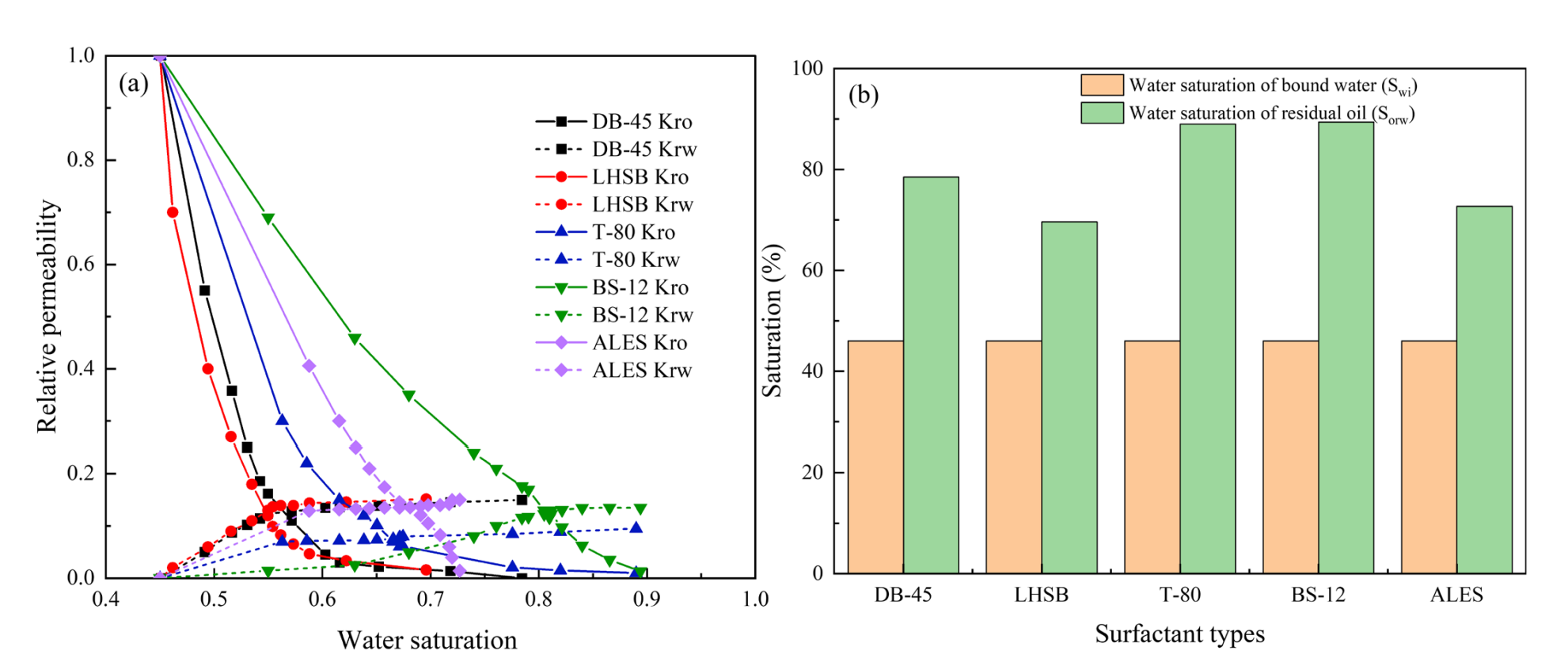
WZ12 油田为北部湾盆地典型海上复杂断块、特低渗(3×10⁻³ μm²)油藏,天然产能为零,需大规模体积压裂才能工业开发。本文先通过界面张力、润湿角和岩心驱替实验,从 5 种表面活性剂中筛出耐温耐盐性能最佳的 0.5% 月桂醇聚醚硫酸铵(ALES),其界面张力 1.7×10⁻² mN/m,接触角 20°,驱油效率 52%。随后在 CMG-STARS 平台建立海上双孔双渗一体化模型,完成“注液造缝-关井闷井-控压返排”全周期模拟,优化关键参数。该一体化方案较常规压裂提高累计产油约 12%,为海上类似低渗油藏提供了可直接复制的工程参数。
CMG 软件应用情况
- 软件:CMG-STARS 2022.1(热-化-流一体化模拟器)
- 主要做法
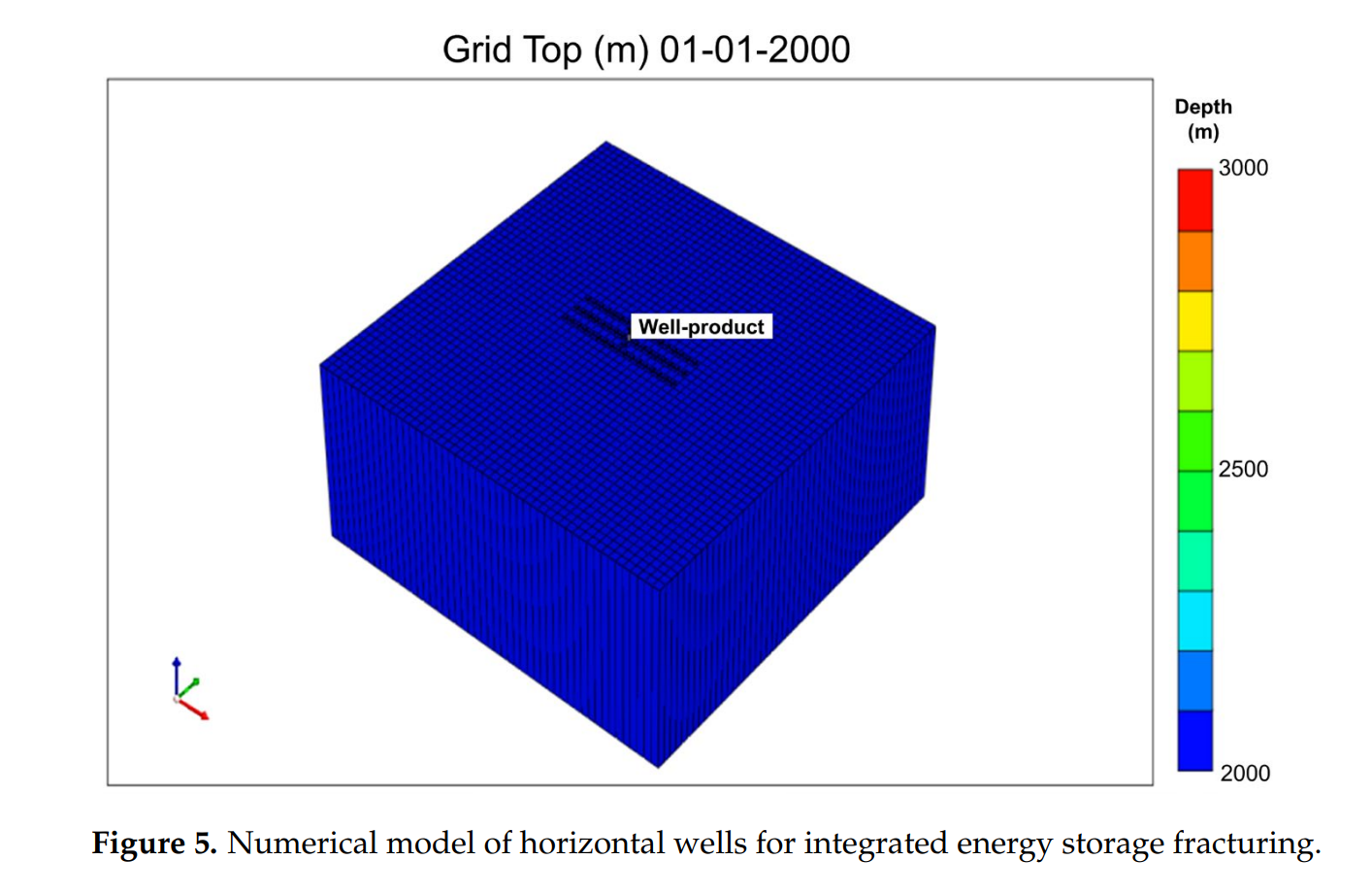
– 采用双孔双渗(DPDP)模型描述天然裂缝与人工裂缝网络,裂缝孔隙度设为 1,基质孔隙度 15%;
– 嵌入自编 Langmuir 吸附方程,实时跟踪 ALES 浓度、矿化度与界面张力耦合效应;
– 局部网格加密(LGR)5×5 倍刻画主裂缝,避免早期压力波失真;
– 通过 15 组方案对比,量化注液量、闷井时间、返排速度对 5 年累计产油的影响,确定最优操作窗口。 - 验证结果:模型压力历史与WZ12 实际压裂施工压力曲线误差 <3%,岩心驱替实验相对渗透率曲线与模拟输出吻合度 >92%,为方案优化提供高置信度基准。
主要结论
- ALES 表面活性剂在海上高温高盐环境仍能保持超低界面张力,驱油效率比常规压裂液提高 10% 以上;
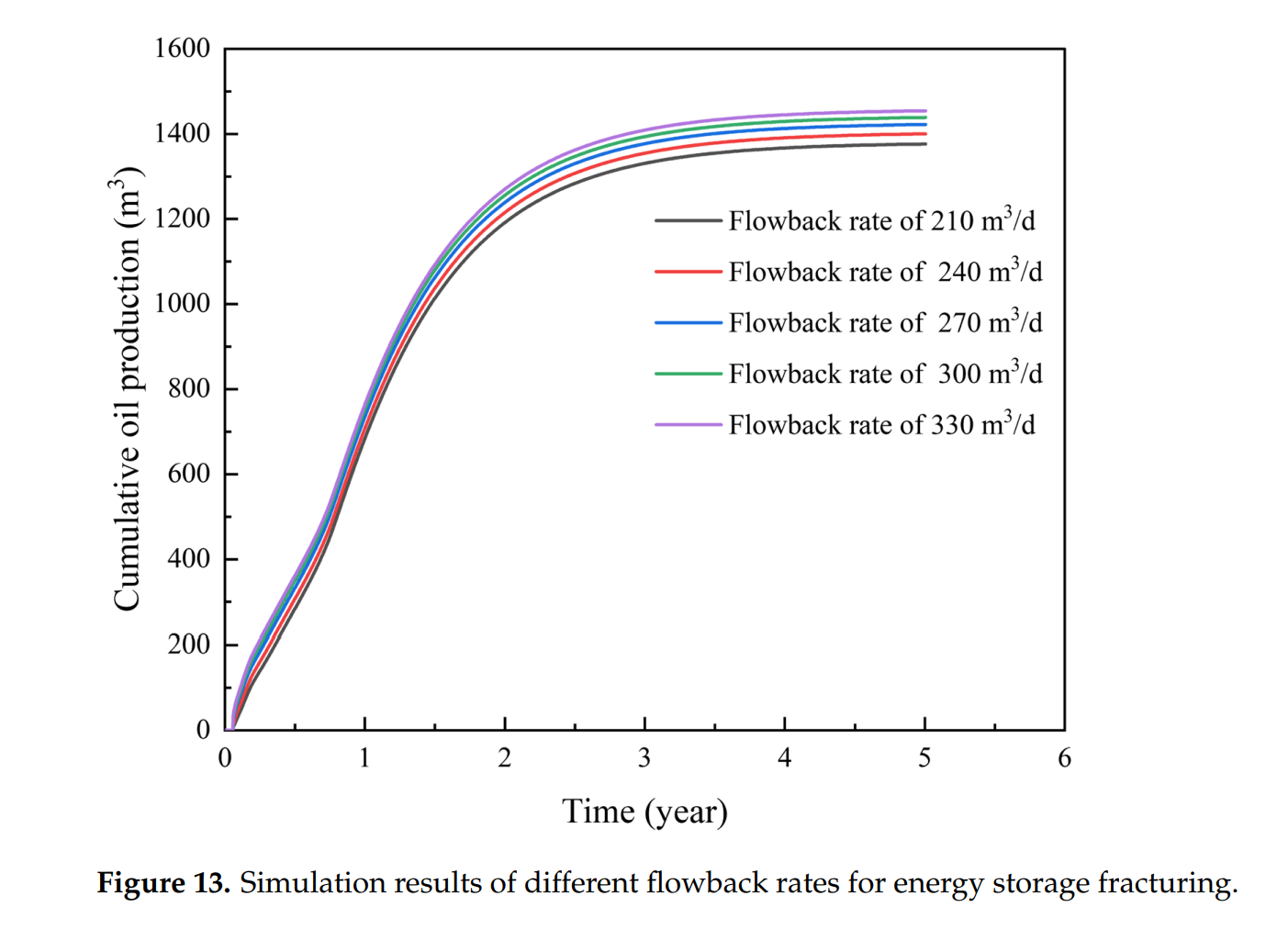
- “注-闷-采”一体化模拟显示,650–700 m³/d 注液、25 d 闷井、270–300 m³/d 返排为最佳参数组合;
- 该一体化方案累计产油较常规压裂提升约 12%,现场实施成本低、可复制性强;
- 后续需进一步引入离散裂缝网络和吸附衰减模型,以提升长期预测精度。
作者单位
- 西南石油大学油气藏地质与开发工程国家重点实验室
Abstract
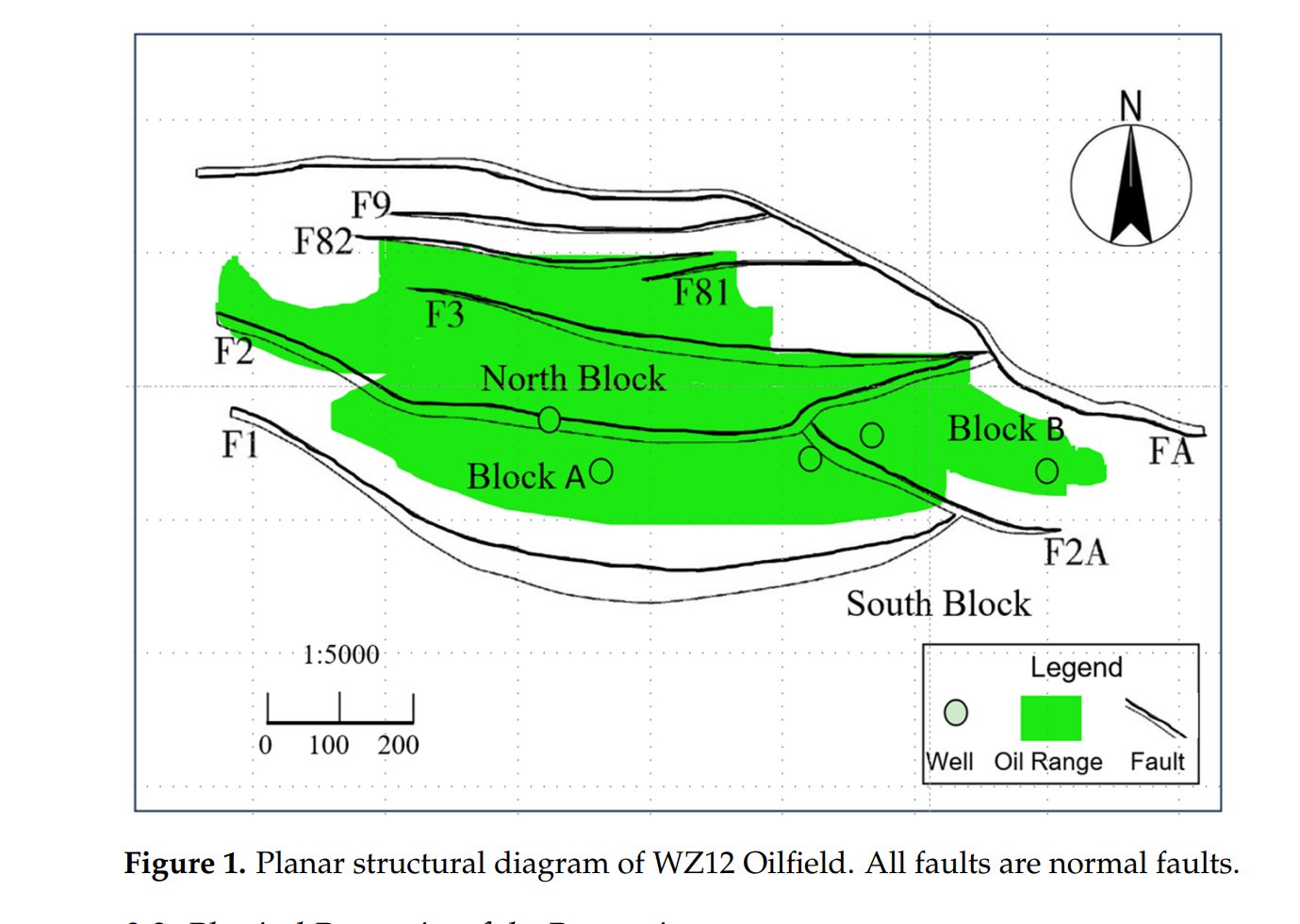
The WieZhou12 oilfield (also known as WZ12 oilfield, the same below) is in urgent need of development using large-scale volumetric fracturing technology since it is a typical complex fault-block oilfield with low porosity, low permeability, and no natural production capacity. To study the fracturing measures with surfactants in offshore oilfields like WZ12, the surfactant fracturing fluid types were experimentally selected based on their effect of decreasing interfacial tension and enhancing matrix wettability. The water cut law and oil displacement efficiency in displacement experiments were also analyzed, according to surfactant type and fluid characteristics. Next, using the numerical simulation software CMG, the study completed the integrated simulation of volumetric fracturing in the “injection–soaking–flowback” process. Finally, some critical parameters were optimized for the block model, including the quantity of injected fluids, the soaking time, and the rate of fluid flowback. The results showed that the most suitable surfactant was 0.5% ammonium lauryl polyether sulfate (ALES), which had a low interfacial tension of 1.7 × 10⁻² mN/m, a contact angle of 20.071° with the core, and a 52% oil displacement efficiency. From the simulations, the suggested production parameters for energy storage fracturing are as follows: a daily injection volume of 600 m3/d, a soaking time of 25 days post fracturing, and a fluid production rate of 270 m3/d. The findings of this study establish a significant theoretical foundation for optimizing surfactant type and provide construction advice for the integrated measure of fracturing, well shut-in, and production in offshore oilfields.
