
Reasonable Productivity Calculation and Sensitivity Analysis of Horizontal Wells in Overseas Carbonate Reservoir
海外碳酸盐岩油藏通常具有岩性变化大、非均质性强、数据获取困难等特点,传统产能预测方法难以满足高效开发需求。本文提出一种结合钻杆测试(DST)数据与油藏数值模拟的综合方法,用于合理预测水平井产能,并开展敏感性分析。
首先,通过DST数据进行压力瞬变分析,估算储层渗透率与表皮系数,计算比采油指数;然后,基于CMG数值模拟平台,建立精细油藏模型,系统分析产液量、生产压差、水平段长度、射孔位置等因素对产能的影响。研究结果表明,该方法有效提高了海外碳酸盐岩油藏产能预测的准确性,为油田高效开发提供了技术支撑。
CMG软件应用情况
- 软件平台:CMG(Computer Modeling Group)数值模拟软件
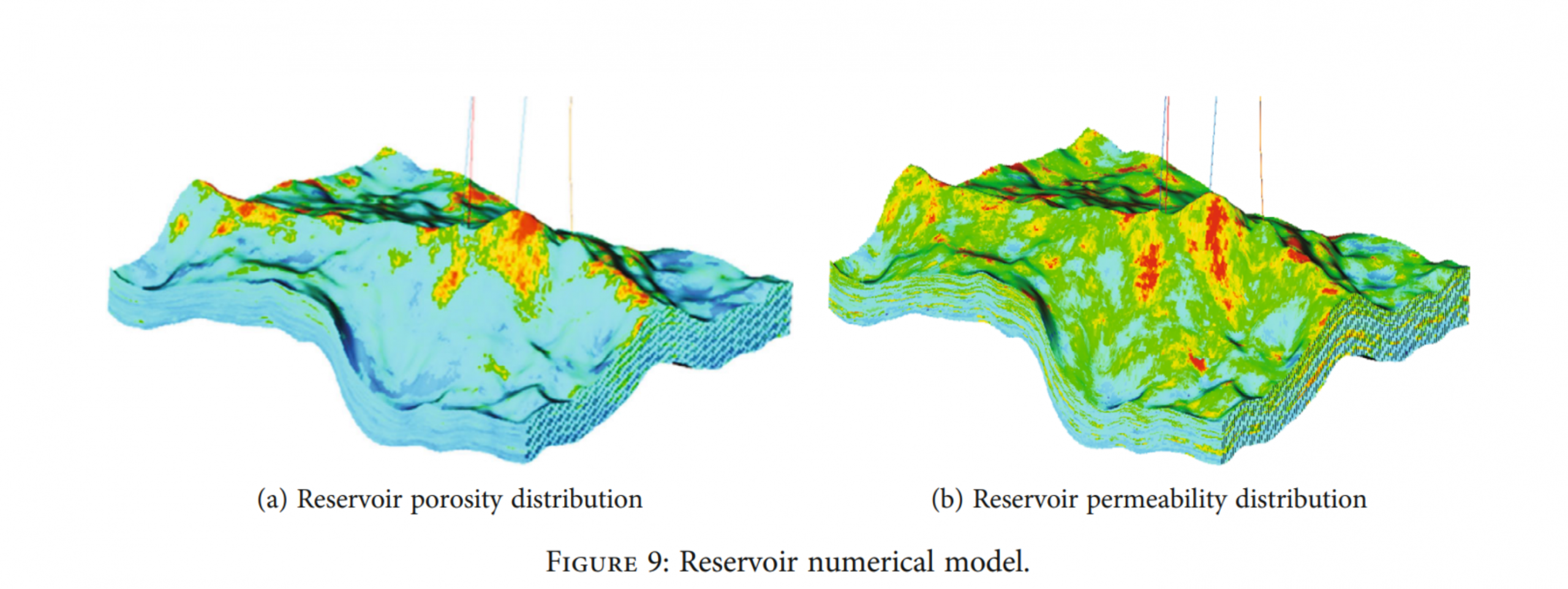
- 模型规模:平面网格399×234,垂向网格104层,总网格数约970万个
- 模拟内容:
- 建立碳酸盐岩油藏三维地质模型,考虑强非均质性;
- 模拟不同井型(直井与水平井)开发效果;
- 分析产液量、压差、Kv/Kh、渗透率变异系数、水平段长度、射孔位置等参数对产能的影响;
- 模拟周期为9年,采用定产液量方式进行开发预测。
结论
- 提出一种适用于海外碳酸盐岩油藏的DST+数值模拟综合产能预测方法,显著提高预测精度;
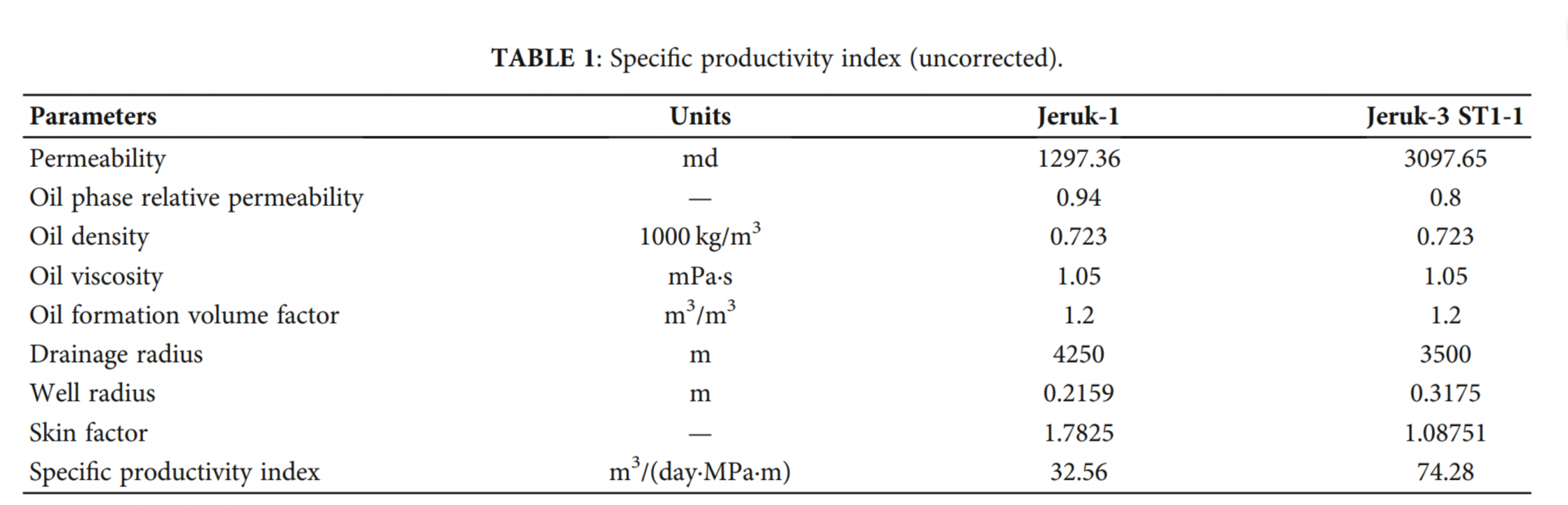
- 通过DST数据估算比采油指数,并结合试井流量建立产能图版,确定单井合理产能;
- Jeruk-1井:1370 m³/day
- Jeruk-3-ST1-1井:3158 m³/day
- 数值模拟结果表明:
- 水平井产能显著优于直井;
- 产液量超过7%后,采收率增幅减缓;
- 生产压差在25 MPa后,增产效果趋于平缓;
- 水平段长度超过800 m后,产能提升有限;
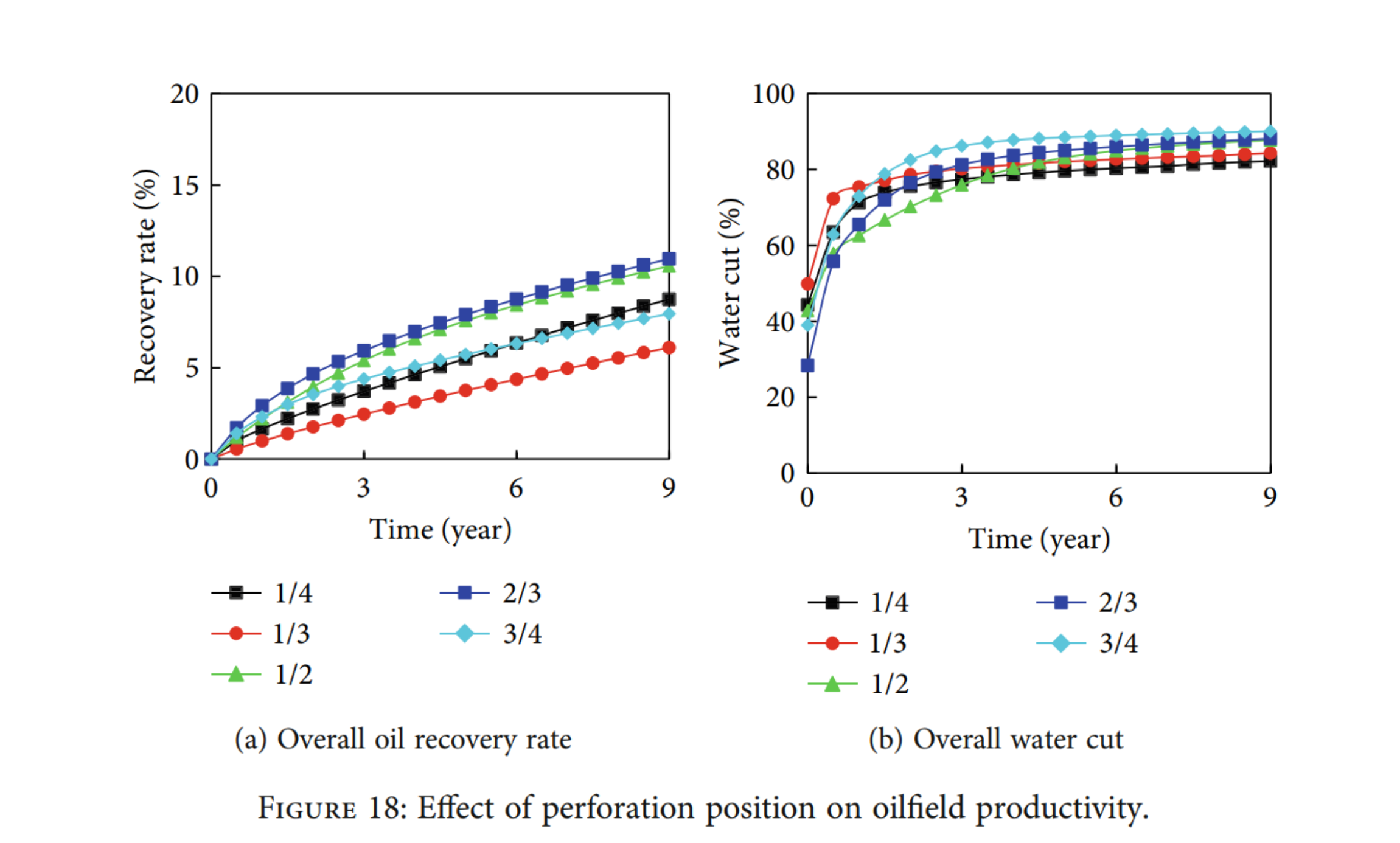
- 射孔位置过高或过低均会降低产能,应优化设计;
- 该方法可指导现场开发决策,优化井位与射孔设计,降低开发风险,提升经济效益。
作者单位
中国石油勘探开发研究院
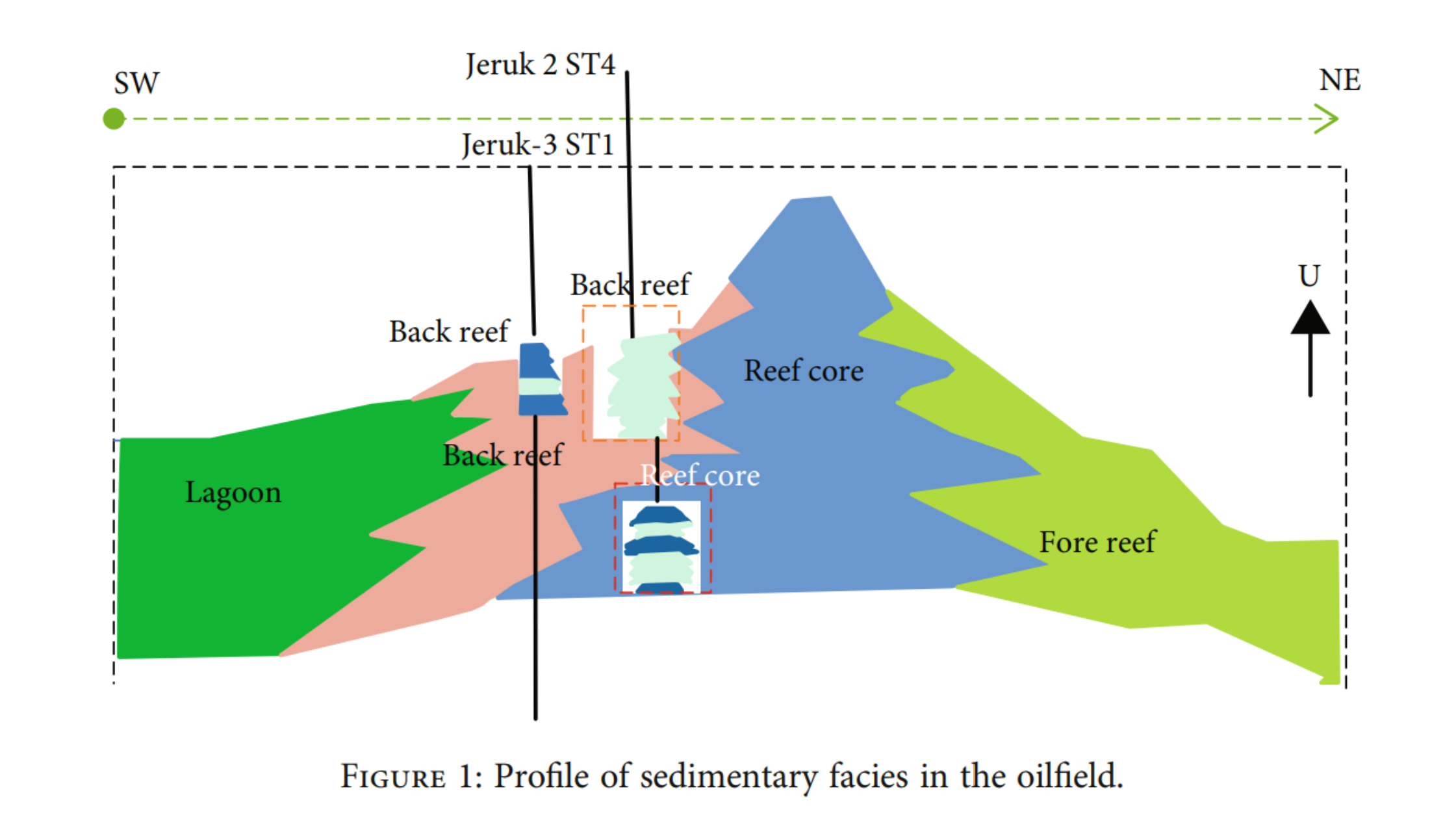
Abstract
Unlike domestic carbonate reservoirs, overseas carbonate reservoirs typically exhibit significant lithological variations and stronger heterogeneity. There is a lack of effective methods for energy supply and techniques to enhance oil recovery. Additionally, acquiring data during offshore platform operations presents significant challenges. Evaluating field productivity solely based on existing data remains problematic. To address this, we integrate drill stem test (DST) data and reservoir numerical simulation to calculate productivity and conduct sensitivity analysis. Initially, the DST data are collected for pressure transient analysis to estimate reservoir permeability and skin factors, which enables reasonable single-well productivity predictions. Subsequently, detailed reservoir numerical simulations are utilized to investigate the effects of liquid production rate, production pressure drop, horizontal section length, and perforation position on field productivity, thus guiding optimal production design. Results indicate that the combination of DST data and numerical simulations is essential for accurately assessing productivity in carbonate reservoirs and supporting efficient development. With an increasing liquid production rate, cumulative oil production gradually rises, plateauing when it exceeds 7%. As production pressure drop and horizontal section length increase, the recovery factor improves up to an optimal value. Improper perforation positions, either too low or high, reduce cumulative oil production and oil recovery.
