
Multi-objective optimization of operation conditions by smart proxy model for geological CO2 storage design in an over-pressured aquifer in the Ulleung Basin
本研究旨在利用智能代理模型(SPM)优化韩国东海郁陵盆地D构造的地质CO₂封存(GCS)设计方案。针对该超压含水层的地力学稳定性分析表明,断层平面孔隙压力必须维持在当前压力值以下以确保安全。研究假设将两口现有井(D-1和D-2)分别改造为注入井和减压井(用于采出卤水降低压力),通过特征工程(Feature Engineering)和拉丁超立方采样(LHS)方法减少模拟次数,建立了SPM预测模型。
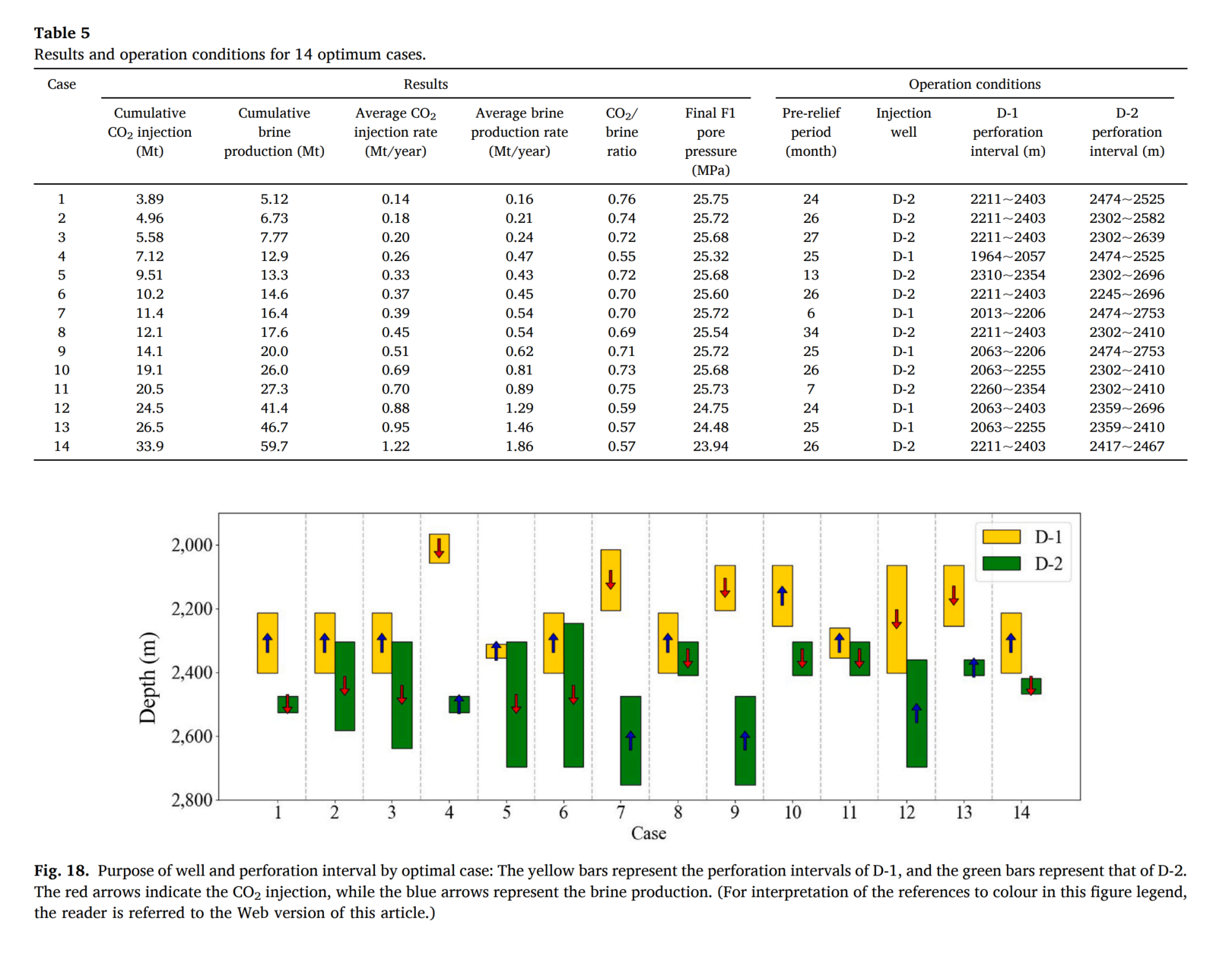
优化目标为最大化累计CO₂注入量和最小化累计卤水产量,考虑的设计参数包括预缓解期(pre-relief period)、井型选择(注入/缓解)及射孔段位置。模型盲测预测精度R²均高于90%。采用NSGA-II算法结合SPM获得14个最优解及帕累托前沿,结果显示最小累计CO₂注入量为3.89 Mt(卤水产量5.12 Mt),最大累计CO₂注入量可达33.9 Mt(卤水产量59.7 Mt)。研究表明,注入井与缓解井的射孔段优化强烈依赖于操作条件和储层特性,必须针对具体地质设置进行优化设计。
CMG软件应用情况
本研究使用CMG(Computer Modeling Group)的GEM油藏模拟器作为数值模拟核心工具:
- 模拟器类型: 采用CMG的GEM(Generalized Equation of State Model)进行组分模拟,处理CO₂-卤水-岩石系统的多相流动
- 模拟方案设计: 利用拉丁超立方采样(LHS)方法生成60个模拟方案,用于训练智能代理模型(SPM)
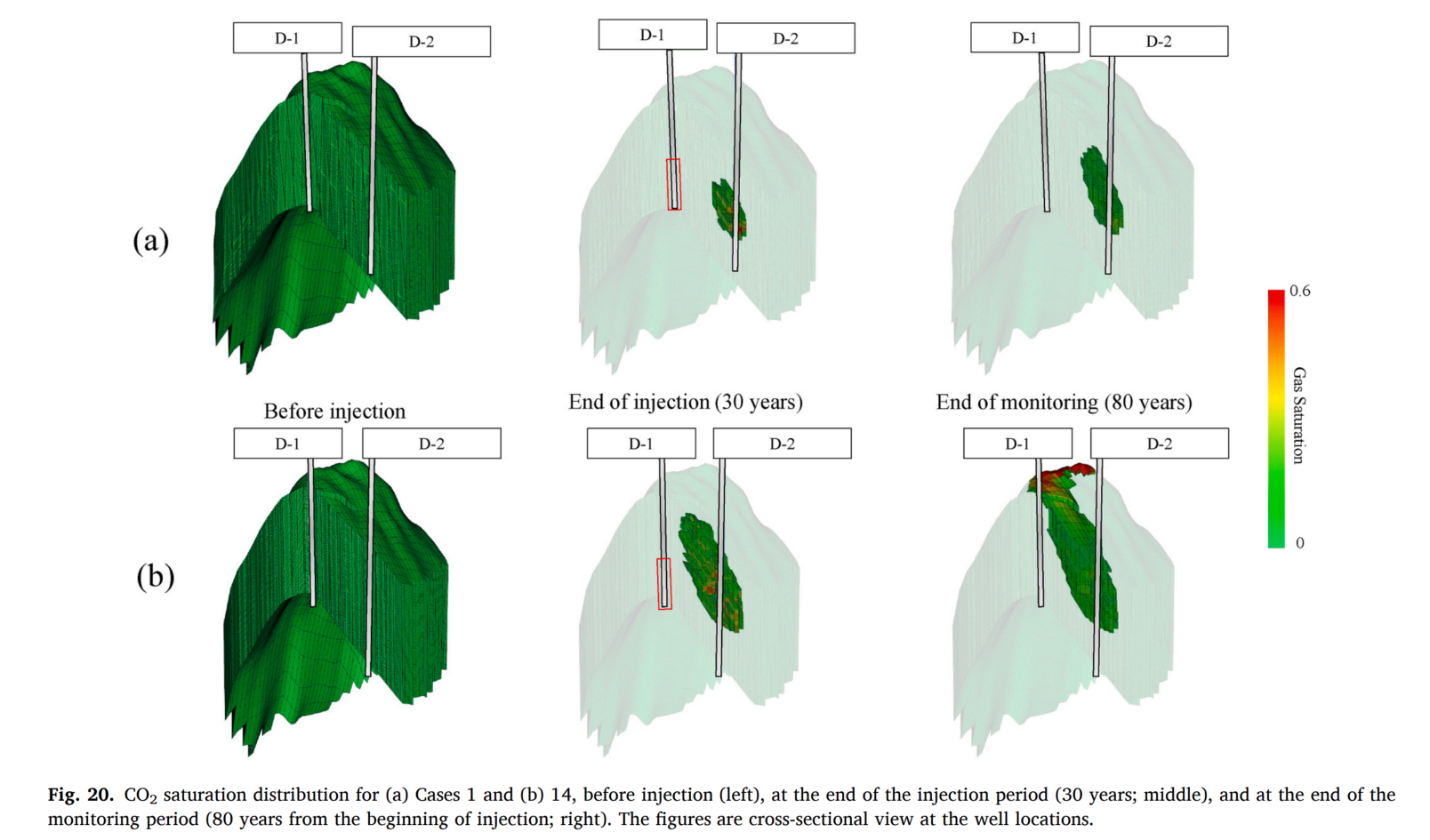
- 模拟时长: 每个方案模拟30年注入期和50年监测期(共80年),确保断层压力长期稳定性
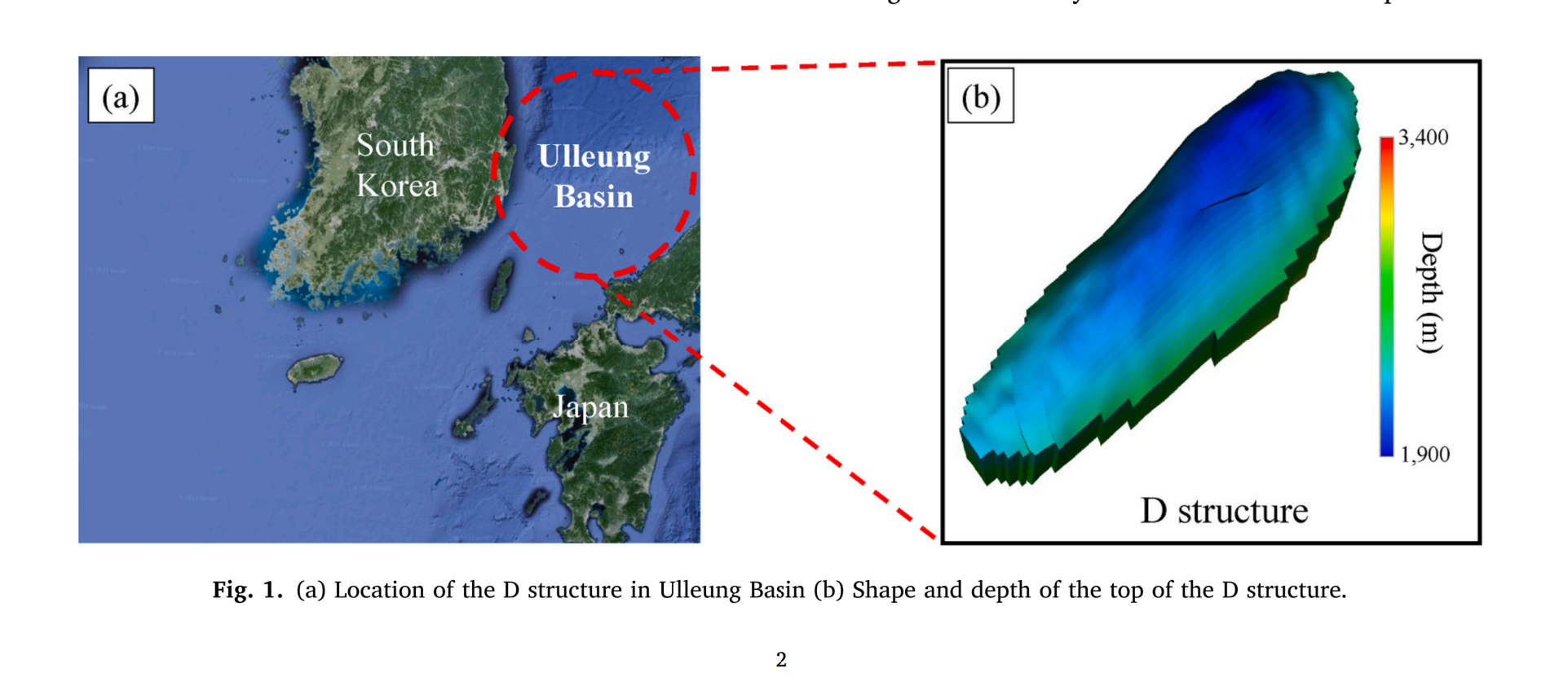
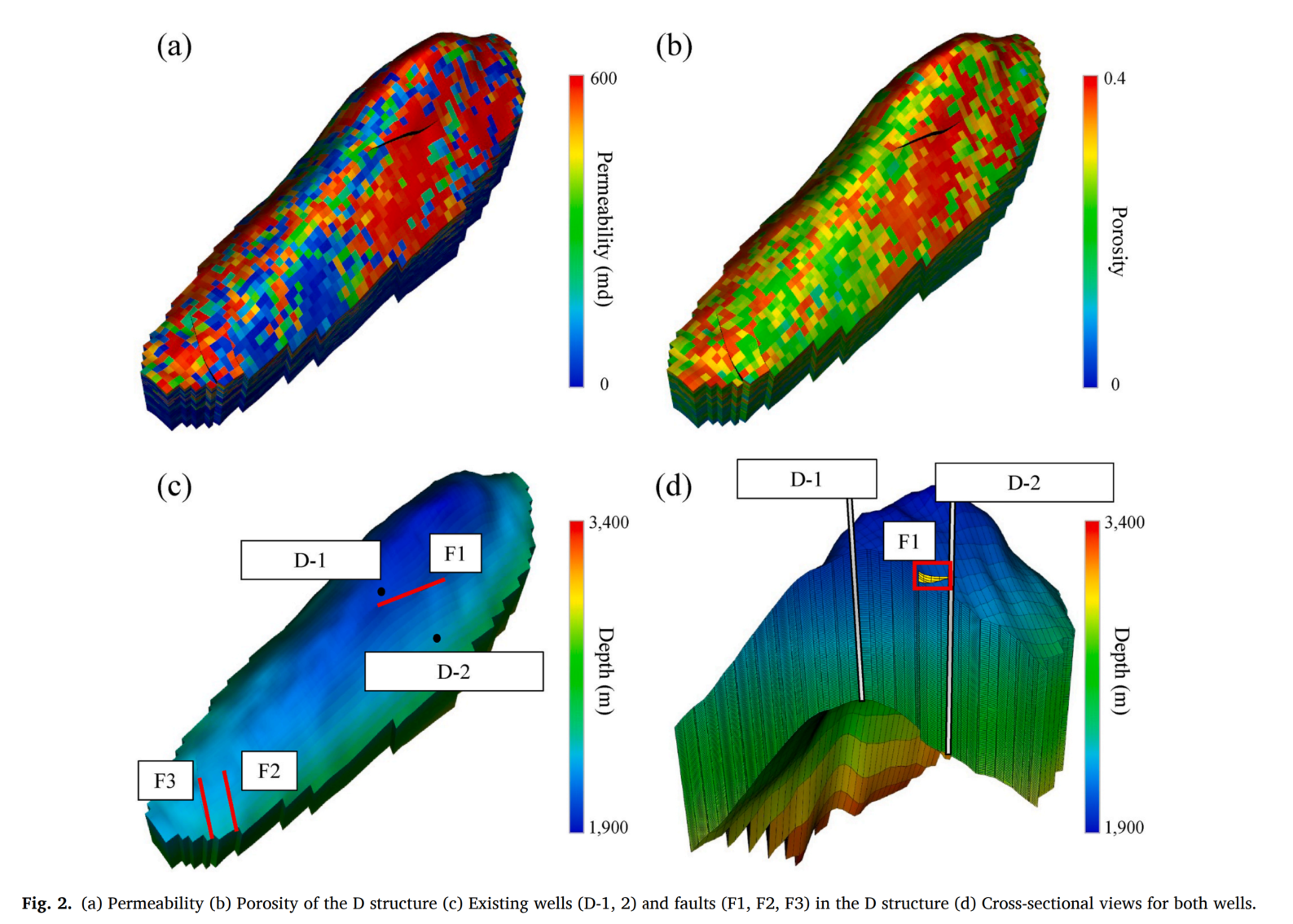
- 地质模型: 基于D构造实际地质数据建立三维模型,包含两口井(D-1、D-2)和三条断层(F1、F2、F3),孔隙度最高0.4,渗透率最高600 mD
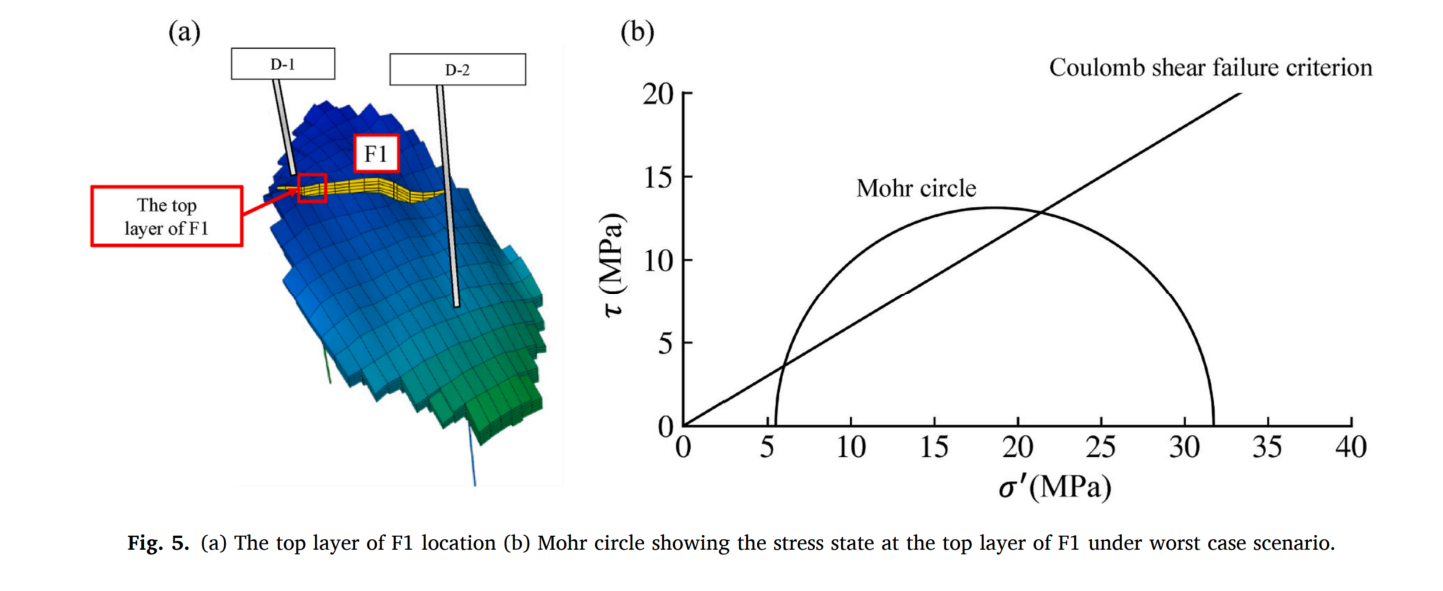
- 地力学耦合: 结合Mohr-Coulomb准则进行断层稳定性分析,通过GEM模拟获取孔隙压力变化,评估断层滑移风险
主要结论
- 地力学稳定性约束: 针对超压含水层D构造,基于最保守假设(内聚力为零、摩擦系数0.6)的地力学分析表明,必须将断层顶部孔隙压力控制在初始值(25.8 MPa)以下,并设置预缓解期降低孔隙压力后方可进行CO₂注入。
- SPM模型精度: 采用60次GEM模拟结合特征工程(包括静态参数和动态参数的分层提取)构建的1D-CNN智能代理模型,在盲测中表现出高预测精度:
- 累计CO₂注入量:R² = 99.0%
- 累计卤水产量:R² = 99.4%
- F1断层顶部孔隙压力:R² = 96.6%
- CO₂突破风险:R² = 93.0%
- 优化结果: 通过NSGA-II算法(种群200,进化100代)获得14个帕累托最优解,CO₂/卤水质量比介于0.55-0.76之间,表明在超压储层中安全封存需要采出的卤水质量始终大于注入的CO₂质量。
- 射孔段优化关键性: 优化结果显示,注入井与缓解井的射孔段位置无固定规律(部分方案射孔段重叠,部分分离),强烈依赖于具体操作条件和储层渗透率非均质性,必须进行针对性优化。
- 方法普适性: 虽然研究针对D构造,但提出的”地力学风险约束+机器学习优化”框架可推广应用于其他地质构造的CO₂封存设计。
作者单位:
- 韩国汉阳大学地球资源与环境工程系
Abstract
This study aims to optimize the geological CO2 storage (GCS) design in the D structure in the East Sea using a Smart Proxy Model (SPM). Analyzing the geomechanical stability of the overpressured aquifer, it was found that the pore pressure in the fault plane must be maintained below the current pressure value. Assuming that two existing wells were repurposed as an injection well and a relief well, Feature Engineering was adopted to derive new parameters for training the SPM with a reduced number of simulation runs. The optimization was conducted to maximize cumulative CO2 injection and minimize brine production, considering several design parameters, including pre-relief period, the selection of pre-existing wells, and perforation intervals. The model exhibited high predictive accuracy in blind testing, with higher R2 than 90%. 14 optimal solutions and the Pareto front were obtained by employing the SPM in the NSGA-II algorithm. As a result, the lowest cumulative CO2 injection and brine production are 3.89 Mt and 5.12 Mt, respectively, while the largest CO2 injection and brine production are 33.9 Mt and 59.7 Mt, respectively. In addition, it was found that the optimal perforation intervals strongly depend on both the operation conditions and reservoir characteristics. Therefore, the perforation intervals of the injection and relief wells should be optimized when a relief well design is incorporated into a GCS process. Although this study is specific to the D structure, the proposed ML-based optimization framework incorporating geomechanical risks can be adapted to other geological formations for GCS designs.
