
Impacts of microbial interactions on underground hydrogen storage in porous media: A comprehensive review of experimental, numerical, and field studies
本文系统综述了多孔介质中地下储氢(UHS)涉及的微生物相互作用及其对储氢效率和安全的双重影响。微生物代谢(如产甲烷、产乙酸和硫酸盐还原)可能导致氢气消耗并产生副产物(如CH₄、H₂S),但同时也可能通过改善润湿性提升储氢性能。
研究综合了实验、数值模拟和现场案例,提出了选址优化、工程操作建议及未来研究方向,强调需平衡微生物的利弊以实现安全高效储氢。
使用CMG软件解决方案
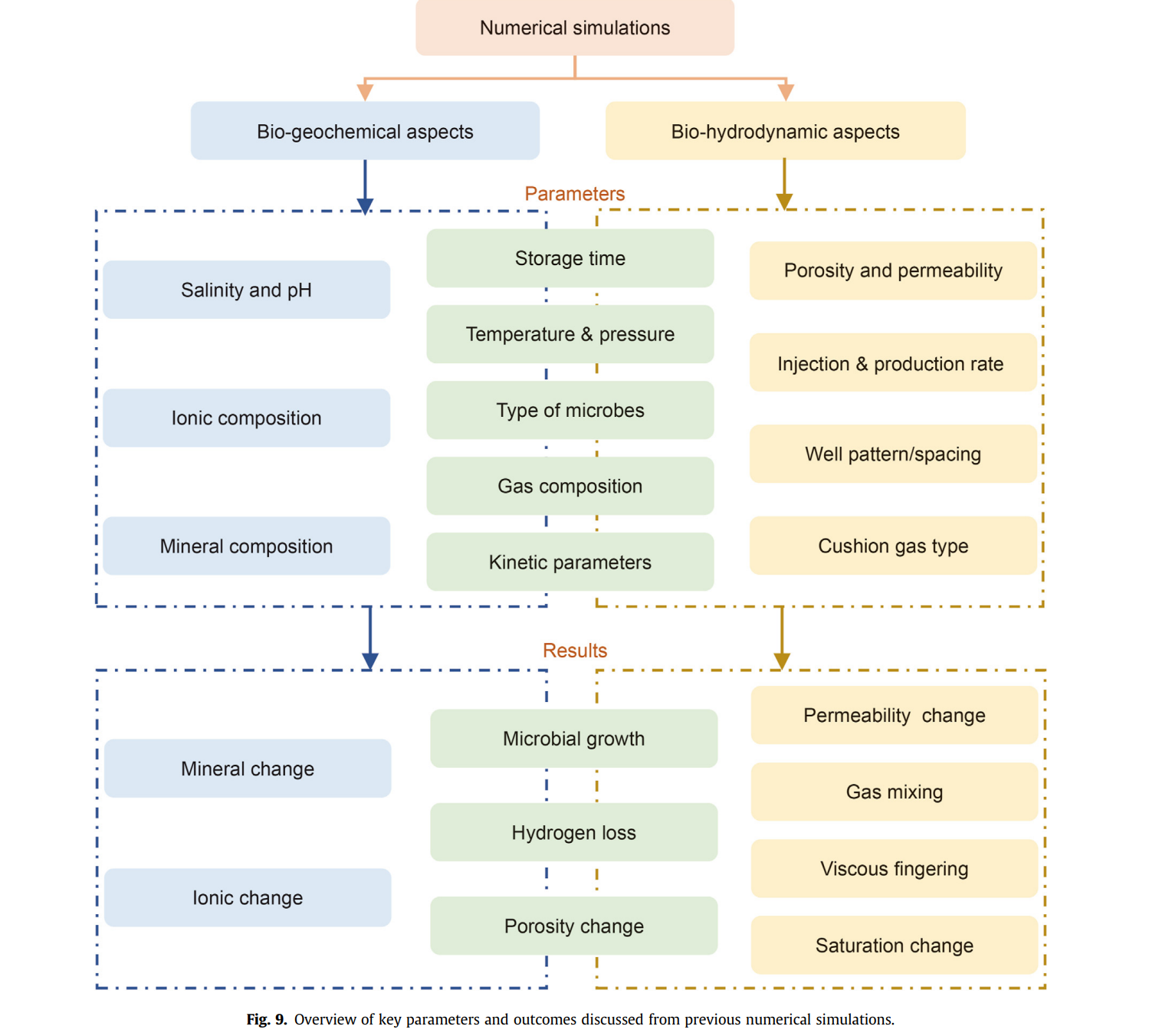
在数值模拟部分,CMG软件(如CMG GEM和CMG STARS)被用于评估微生物活动对储氢的影响:
- 生物地球化学反应建模:
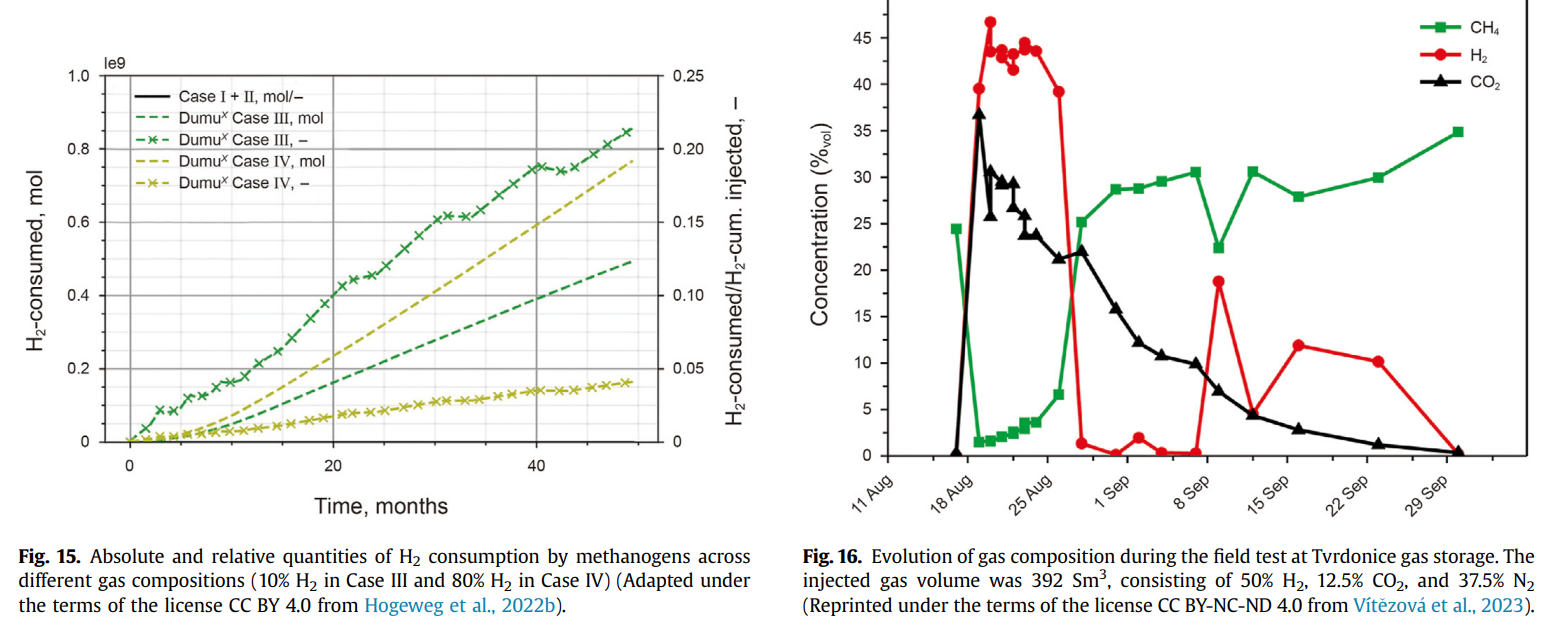
- Elgendy et al. (2023) 使用CMG GEM将产甲烷反应的动力学模型整合到储层模拟中,通过Arrhenius方程近似计算反应速率,预测氢气消耗和甲烷生成量。
- Maniglio et al. (2023) 利用CMG STARS模拟硫酸盐还原菌(SRB)的代谢过程,分析H₂S生成对储层腐蚀风险的时空分布。
- 储层动态模拟:
- 结合储层地质参数(孔隙度、渗透率)和工程参数(注入压力、循环周期),CMG模拟了微生物活动对氢气运移、相态分布及回收率的影响,优化了注采策略。
结论
- 微生物的双重作用:
- 负面影响:产乙酸和硫酸盐还原导致氢气损失及有毒副产物(如H₂S),可能引发设备腐蚀和储层堵塞。
- 正面影响:产甲烷作用可将H₂与CO₂转化为CH₄,提升能源密度,并促进碳循环利用(CCCUS技术)。
- 关键建议:
- 选址:优先选择低温(<60°C)、低矿化度(<100 g/L)的枯竭砂岩气藏,抑制有害微生物活性。
- 工程操作:采用周期性注采模式,维持适宜pH(6.0–7.5)以促进产甲烷菌主导代谢。
- 监测:实时跟踪气体成分(H₂、CH₄、H₂S)和微生物群落变化,结合同位素分析(如δ¹³C)识别代谢路径。
- 未来方向:
- 开发多场耦合模型(生物-水文-力学-化学),深化孔隙尺度微生物动态研究。
- 探索极端环境(高盐、高温)下耐性菌种的工程应用,推动UBM(地下生物甲烷化)技术规模化。
该研究为地下储氢的微生物风险管控和技术优化提供了重要参考,尤其为CMG等工具在生物-储层耦合模拟中的应用提供了方法论支持。

Abstract
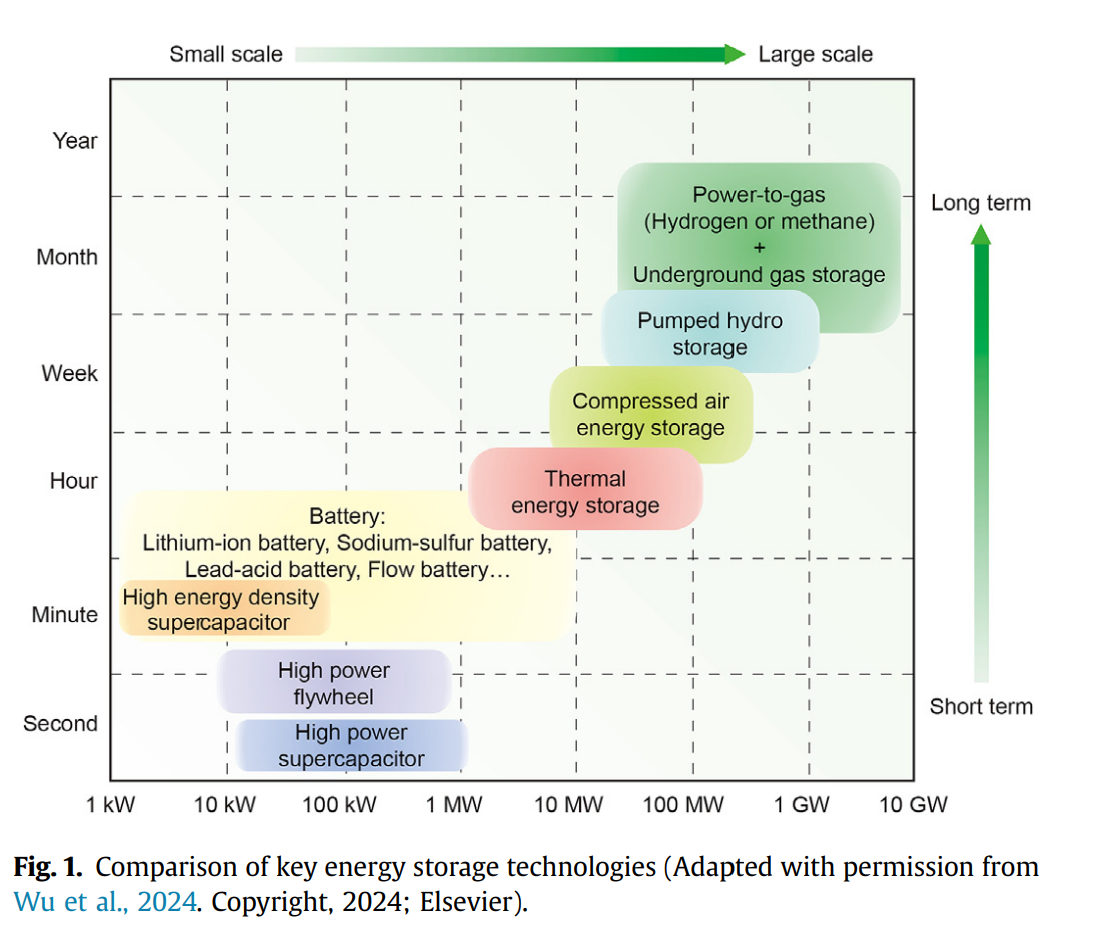
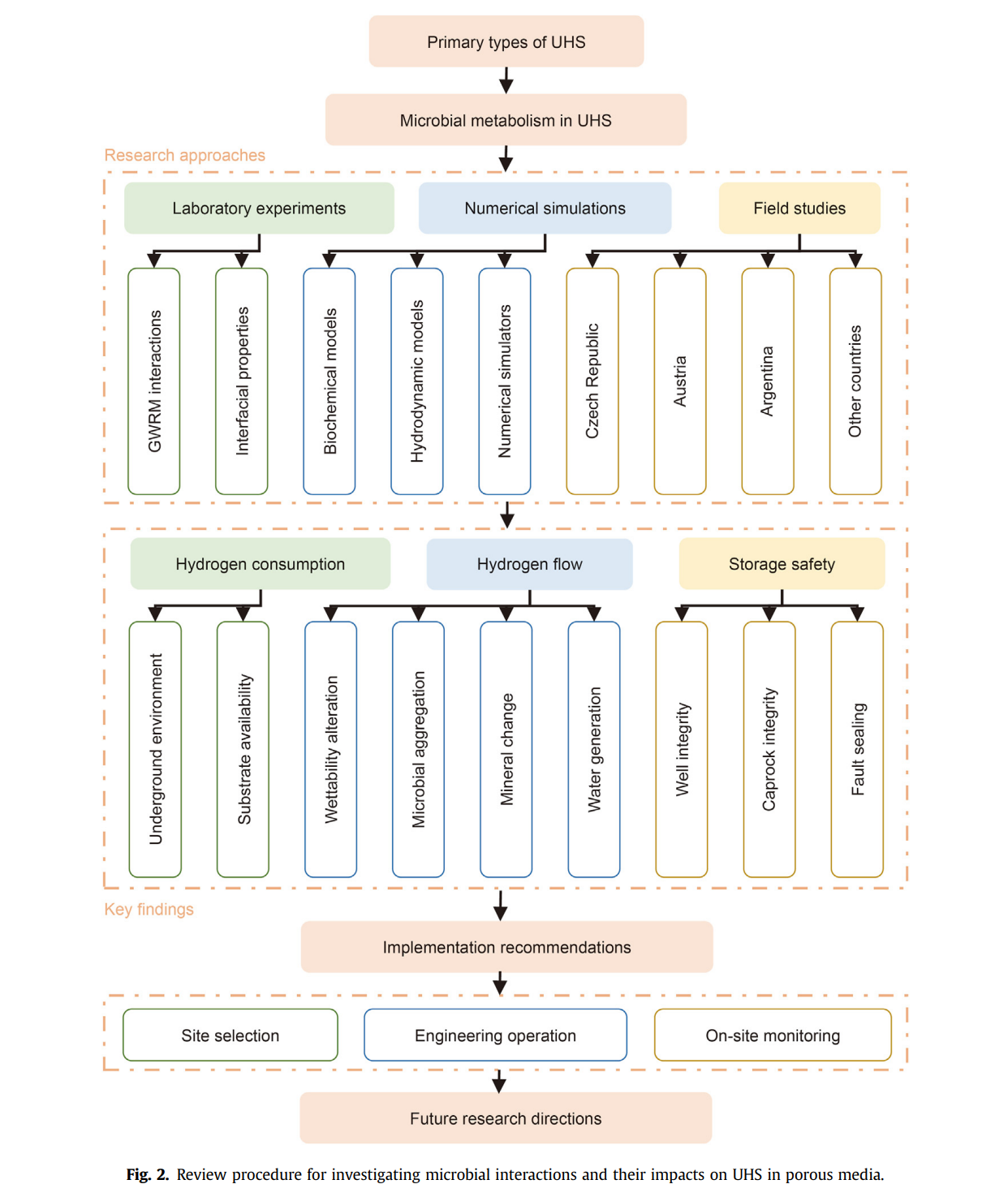
Amidst the rapid development of renewable energy, the intermittency and instability of energy supply pose severe challenges and impose higher requirements on energy storage systems. Among the various energy storage technologies, the coupled approach of power-to-hydrogen (H2) and underground H2 storage (UHS) offers advantages such as extended storage duration and large-scale capacity, making it highly promising for future development. However, during UHS, particularly in porous media, microbial metabolic processes such as methanogenesis, acetogenesis, and sulfate reduction may lead to H2 consumption and the production of byproducts. These microbial activities can impact the efficiency and safety of UHS both positively and negatively. Therefore, this paper provides a comprehensive review of experimental, numerical, and field studies on microbial interactions in UHS within porous media, aiming to capture research progress and elucidate microbial effects. It begins by outlining the primary types of UHS and the key microbial metabolic processes involved. Subsequently, the paper introduces the experimental approaches for investigating gasewatererockemicrobe interactions and interfacial properties, the models and simulators used in numerical studies, and the procedures implemented in field trials. Furthermore, it analyzes and discusses microbial interactions and their positive and negative impacts on UHS in porous media, focusing on aspects such as H2 consumption, H2 flow, and storage safety. Based on these insights, recommendations for site selection, engineering operations, and on-site monitoring of UHS, as well as potential future research directions, are provided.
作者单位
德国克劳斯塔尔工业大学地下能源系统研究所
西南石油大学油气藏地质及开发工程国家重点实验室(四川成都)
